


Remember When

Quote: AutomaticMonkeyI find it difficult to say "Number Six" without saying it in the voice of those tormenting The Prisoner.
The first run of Star Trek was a few years too soon for me to attentively watch, but I remember watching it in weekly syndication. Then it was completely off the air for a while, and fans howled, but when the movies started coming out it reignited Trekeeism and it went into daily syndication. Being most of my TV watching happens with a precisely crafted hunk of aluminum that resembles the numeral 8, MeTV, Ant TV, and now a few others carry all the beloved series from that era and for free space broadcast those channels are very popular.
link to original post
I was a senior in high school when Star Trek premiered and i was a huge gigantic science fiction fan so I was enthralled for the entire three years And I especially loved the Communicator, that thing they held in their hand and talked to the ship. I often think about that when I'm using my smart phone because my phone is so much greater than that stupid communicator was. Yet in 1966 it was absolutely awesome.

Quote: EvenBobQuote: AutomaticMonkeyI find it difficult to say "Number Six" without saying it in the voice of those tormenting The Prisoner.
The first run of Star Trek was a few years too soon for me to attentively watch, but I remember watching it in weekly syndication. Then it was completely off the air for a while, and fans howled, but when the movies started coming out it reignited Trekeeism and it went into daily syndication. Being most of my TV watching happens with a precisely crafted hunk of aluminum that resembles the numeral 8, MeTV, Ant TV, and now a few others carry all the beloved series from that era and for free space broadcast those channels are very popular.
link to original post
I was a senior in high school when Star Trek premiered and i was a huge gigantic science fiction fan so I was enthralled for the entire three years And I especially loved the Communicator, that thing they held in their hand and talked to the ship. I often think about that when I'm using my smart phone because my phone is so much greater than that stupid communicator was. Yet in 1966 it was absolutely awesome.
link to original post
Yes, that is the real value of science fiction- illustrating human desires. Gene Roddenberry was in no way a scientist, but he and other sci-fi writers were very good at recognizing our desires and fears, and writing them into a story. And economics being what it is, markets also recognize those things and pay the right people to make it happen, thus those two paths converge over time. Doors that open when you approach them, the Replicator (3D printing), and computers you can just talk to were also featured, and mainstream society was still in the vacuum tube era.

Quote: EvenBobAnd I especially loved the Communicator, that thing they held in their hand and talked to the ship. I often think about that when I'm using my smart phone because my phone is so much greater than that stupid communicator was. Yet in 1966 it was absolutely awesome.
link to original post
I know some people who downloaded Communicator sound packs. Incoming messages generate familiar chirps on their phones.
Before phyphox was a generally known thing, there was a tricorder app that did a surprising amount of things, complete with a TNG style user interface.

Quote: billryanSecret Agent was a favorite of mine, but I didn't get The Prisoner. Half the time, I loved The Avengers, but half the time it went over my head.
link to original post
The main dude of the Avengers carried an umbrella. But I couldn't figure why the original Batman Penguin carried an umbrella. Looked it up.
Quote: rxwineQuote: billryanSecret Agent was a favorite of mine, but I didn't get The Prisoner. Half the time, I loved The Avengers, but half the time it went over my head.
link to original post
The main dude of the Avengers carried an umbrella. But I couldn't figure why the original Batman Penguin carried an umbrella. Looked it up.The Penguin carries an umbrella because his overly cautious mother forced him to after his father died of pneumonia. [1] ( https://www.dc.com/blog/2022/02/25/why-you-should-fear-the-penguins-umbrella )
link to original post
My favorite Part of the Rockford Files was the opening credits where he used an answering machine. I'd never seen an answering machine before didn't even know they existed. It was so cool Hey could screen his calls and people could leave a message, it was so futuristic. In the early 60s Robert Heinlein wrote a book set in the future where the main character had an answering machine and this thing blew my mind And now here it was on a TV show. Nobody had one because they were extremely expensive in 1974. The cheapest one you could get was $125 and I could buy a used car for $50 and drive it for a year putting no money into it. $125 was a huge amount of money. I didn't get my first answering machine until 1980 and even then it was still pretty expensive.

Quote: EvenBobQuote: rxwineQuote: billryanSecret Agent was a favorite of mine, but I didn't get The Prisoner. Half the time, I loved The Avengers, but half the time it went over my head.
link to original post
The main dude of the Avengers carried an umbrella. But I couldn't figure why the original Batman Penguin carried an umbrella. Looked it up.The Penguin carries an umbrella because his overly cautious mother forced him to after his father died of pneumonia. [1] ( https://www.dc.com/blog/2022/02/25/why-you-should-fear-the-penguins-umbrella )
link to original post
My favorite Part of the Rockford Files was the opening credits where he used an answering machine. I'd never seen an answering machine before didn't even know they existed. It was so cool Hey could screen his calls and people could leave a message, it was so futuristic. In the early 60s Robert Heinlein wrote a book set in the future where the main character had an answering machine and this thing blew my mind And now here it was on a TV show. Nobody had one because they were extremely expensive in 1974. The cheapest one you could get was $125 and I could buy a used car for $50 and drive it for a year putting no money into it. $125 was a huge amount of money. I didn't get my first answering machine until 1980 and even then it was still pretty expensive.
link to original post
I worked for "MA BELL" I always thought the phone company should have given every customer a free answering machine. When you called someone and no one answered, you were not charged for the call. The phone company didn't make any money. If you had an answering machine, the machine would answer and you were charged for the call and the phone company would make money.

Quote: FatGeezusQuote: EvenBobQuote: rxwineQuote: billryanSecret Agent was a favorite of mine, but I didn't get The Prisoner. Half the time, I loved The Avengers, but half the time it went over my head.
link to original post
The main dude of the Avengers carried an umbrella. But I couldn't figure why the original Batman Penguin carried an umbrella. Looked it up.The Penguin carries an umbrella because his overly cautious mother forced him to after his father died of pneumonia. [1] ( https://www.dc.com/blog/2022/02/25/why-you-should-fear-the-penguins-umbrella )
link to original post
When answering machines and call waiting became popular, they required much debate among the rabbinical community. When I call you and you don't answer, it costs nothing. When I call you and get an answering machine, you make me spend money without letting me speak to you. Putting you on hold costs you money while I speak to someone else. Am I doing business on the Sabbath if someone leaves a business message on my answering service?Last edited by: billryan on Sep 12, 2026The older I get, the better I recall things that never happened
Quote: FatGeezus
I worked for "MA BELL" I always thought the phone company should have given every customer a free answering machine. When you called someone and no one answered, you were not charged for the call. The phone company didn't make any money. If you had an answering machine, the machine would answer and you were charged for the call and the phone company would make money.
link to original post
When I got my first answering machine in 1980 it was in the office at the bar and it made me feel hugely powerful to go in there and see the blinking light that meant I had a message. It made me feel in control, that I had missed nothing That I had not missed an important call because I didn't hear the phone ringing. And it saved me from talking to people that I didn't have time to talk to. Buckminster Fuller the famous architect had a telephone for a very short time Then he got rid of it and never got another one because he said it was like having a rope tied around his leg and every time somebody wanted him they just jerked on the rope. He would have loved the answering machine because it got rid of the rope.

Quote: EvenBobQuote: rxwineQuote: billryanSecret Agent was a favorite of mine, but I didn't get The Prisoner. Half the time, I loved The Avengers, but half the time it went over my head.
link to original post
The main dude of the Avengers carried an umbrella. But I couldn't figure why the original Batman Penguin carried an umbrella. Looked it up.The Penguin carries an umbrella because his overly cautious mother forced him to after his father died of pneumonia. [1] ( https://www.dc.com/blog/2022/02/25/why-you-should-fear-the-penguins-umbrella )
link to original post
My favorite Part of the Rockford Files was the opening credits where he used an answering machine. I'd never seen an answering machine before didn't even know they existed. It was so cool Hey could screen his calls and people could leave a message, it was so futuristic. In the early 60s Robert Heinlein wrote a book set in the future where the main character had an answering machine and this thing blew my mind And now here it was on a TV show. Nobody had one because they were extremely expensive in 1974. The cheapest one you could get was $125 and I could buy a used car for $50 and drive it for a year putting no money into it. $125 was a huge amount of money. I didn't get my first answering machine until 1980 and even then it was still pretty expensive.
link to original post
Watch the first five minutes of "From Russia With Love." Bond gets a page, then walks to his car and picks up a phone! You watch it and have to think how futuristic that looked in 1964.
Quote: EvenBobExcept for 4 or 5 scenarios this is what I experienced in my childhood in the 1950s. It's why my parents are not in most of my memories of those days it's not because they were divorced, it's because we were on our own whenever we left the house. All kids were. To have an adult ask us where our parents were when we were in a store would have been totally mind blowing. Now if it was a school day they damn well would ask you why you weren't in school, but on a Saturday or in the summer nobody cared. And like the narrator keeps saying it did teach us responsibility and it taught us about frugality and it taught us that we were not entitled to anything. You worked for what you got or you didn't get anything. You made your own fun.
link to original post
Very nice. I remember seeing most of those things too, but in their end of life stage. Just imagine how those places looked 15-20 years later and that's what I saw. You probably saw things that pertained to the Great Depression and WWII in the same state; neglected and not having much of a role left without crushing poverty and the fears and privations of a war.
Like the corner store in the opening picture, it looked mostly like that except the 10 cents for ice would be painted over, and the Coca-Cola cooler would be decorative if it was still there.
All of the playgrounds I remember were asphalt, and many of them had an embossed, rusted metal sign saying they were a WPA project. In high school I learned what that meant and how old these facilities would have to be.
Quote: AutomaticMonkeyQuote: EvenBobExcept for 4 or 5 scenarios this is what I experienced in my childhood in the 1950s. It's why my parents are not in most of my memories of those days it's not because they were divorced, it's because we were on our own whenever we left the house. All kids were. To have an adult ask us where our parents were when we were in a store would have been totally mind blowing. Now if it was a school day they damn well would ask you why you weren't in school, but on a Saturday or in the summer nobody cared. And like the narrator keeps saying it did teach us responsibility and it taught us about frugality and it taught us that we were not entitled to anything. You worked for what you got or you didn't get anything. You made your own fun.
link to original post
Very nice. I remember seeing most of those things too, but in their end of life stage. Just imagine how those places looked 15-20 years later and that's what I saw. You probably saw things that pertained to the Great Depression and WWII in the same state; neglected and not having much of a role left without crushing poverty and the fears and privations of a war.
Like the corner store in the opening picture, it looked mostly like that except the 10 cents for ice would be painted over, and the Coca-Cola cooler would be decorative if it was still there.
All of the playgrounds I remember were asphalt, and many of them had an embossed, rusted metal sign saying they were a WPA project. In high school I learned what that meant and how old these facilities would have to be.
link to original post
In the 1950s almost everything we saw was built before World War Two in the 20s and 30s. Or before. There were no houses that had an attached garage, that whole concept would have been strange. Most houses had a garage but they were separate from the house and there were always one stall because nobody ever had more than one car. All our playgrounds were sand I never saw an asphalt playground. All our bicycles had big fat tires never saw skinny tires on a bike till the mid 60s when I was in high school. One thing they never mention is most neighborhoods had a dairy where they processed milk every day for local delivery and we used to hang out there in the summer because they constantly washed the concrete floor with cold water all day long so it was very cool inside and the doors were always wide open. The dairy trucks were cooled with big chunks of crystal clear ice and sometimes we could chip off a piece and suck on it for an hour at least.
They never mention bullies in these videos And there were lots of them. Always older guys in high school they picked on little kids. That nonsense about stand up to a bully and he'll back down is utter baloney. Stand up to one of those guys they would beat the living crap out of you. They had pimple faces and long greasy hair combed straight back into a duck's ass, the DA. In the summer they wore white T-shirts and blue jeans and they always had a pack of Lucky Strikes or Camel cigarettes rolled up into one of their short sleeves. You saw them coming and you crossed over into another street.
https://www.facebook.com/reel/3280171585518080
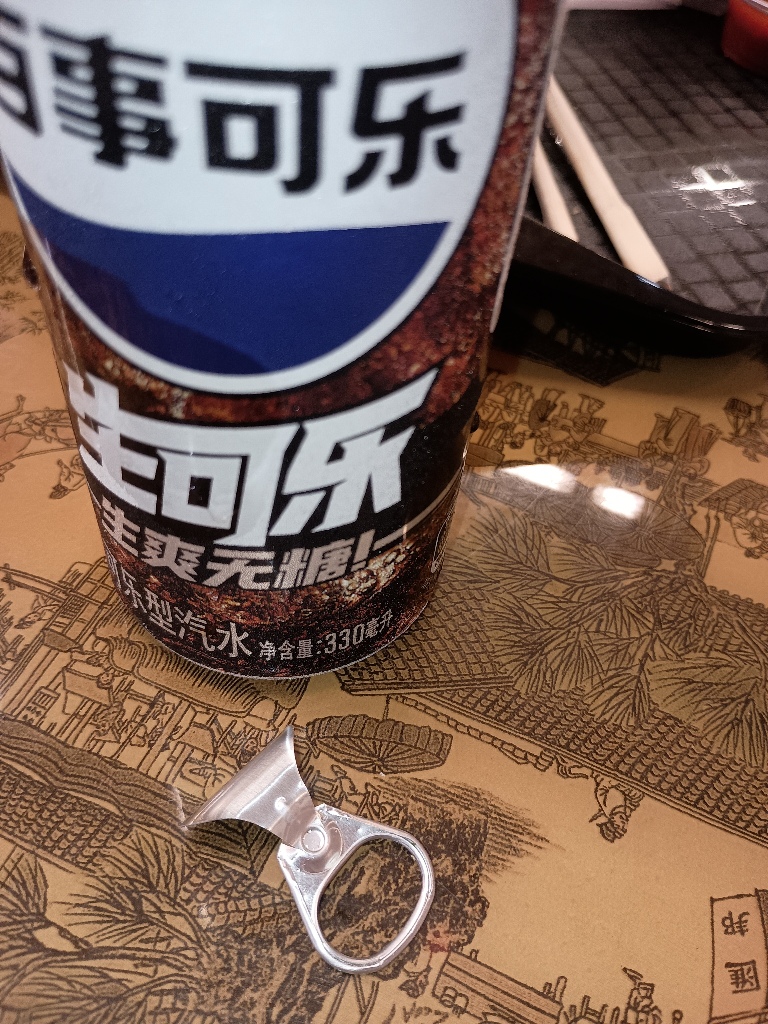
I don't think I've seen one of these in 30 years.

Norman Fell shows up as an officer! I always say he should be remembered for more than just Mr. Roper. He performed in lots of things like 12 Angry Men and was in the original freakin’ Oceans 11!
I liked the original movie better, but the first season was okay.
There are a ton of free channels, many of which are decent.
I liked the original movie better, but the first season was okay.
There are a ton of free channels, many of which are decent.
https://youtube.com/shorts/XlnpnYQx_CA?si=HuXIC5nuJCZYXnEz


