


New EU Regulations Force Online Casinos to Simplify Slot Bonus Terms

Introduction
Recent regulatory changes across major European Union markets are forcing online casinos to dramatically simplify their slot bonus structures, with several countries implementing strict wagering requirements and deposit limits that directly impact promotional offers. The shift represents the most significant overhaul of casino bonus regulations in Europe since the sector's digital transformation.
Industry analysts report that platforms including casinobonusfinder and similar aggregation services are scrambling to update their bonus databases as new compliance requirements take effect across multiple EU jurisdictions simultaneously.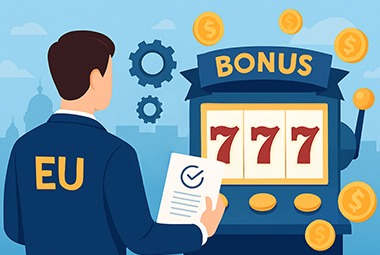
UK Leads Bonus Simplification Movement
The United Kingdom has emerged as the driving force behind bonus term simplification, implementing some of Europe's most restrictive promotional regulations. Effective December 19, 2025, UK-licensed operators will be prohibited from offering promotions with wagering requirements exceeding 10 times the bonus amount.
"This represents a fundamental shift away from complex bonus mathematics toward player-friendly terms," said industry compliance expert Sarah Mitchell. "Operators can no longer rely on astronomical wagering requirements to offset promotional costs."
The UK regulations also establish age-based slot betting limits that directly affect bonus structures. According to the UK Gambling Commission, players aged 18-24 face maximum slot stakes of £2 per spin, while those 25 and older can bet up to £5 per spin. These limits apply during bonus play, forcing casinos to redesign promotional mechanics around lower stake limits.
Additionally, mandatory deposit limits taking effect October 31, 2025, require players to set spending caps before their first deposit, with operators obligated to encourage limit reviews every six months.
Germany Introduces Progressive Tax Impact on Bonuses
German regulatory changes have created indirect pressure on bonus simplification through progressive taxation structures that affect promotional budgets. The country's new tax regime increases operator costs significantly, with rates escalating based on revenue brackets.
More directly impacting slot bonuses, Germany has implemented maximum bet limits of €1 per spin across all casino games, including during bonus rounds. The regulation also introduces five-second spin delays for both slots and roulette, fundamentally altering the pace of bonus feature gameplay.
Cross-provider monthly deposit caps of €1,000 per player, enforced by the Federal Gambling Authority, further constrain casino promotional strategies by limiting the player spending that bonuses are designed to encourage.
Netherlands Implements Universal Spending Controls
The Dutch Ministry of Justice has introduced universal deposit and loss limits affecting all licensed operators, creating standardized constraints on bonus offers. The regulations require stricter affordability checks and establish default advertising bans unless operators meet enhanced player protection standards.
The Netherlands Online Gambling Association and licensed operator group VNLOK launched "Meld Vals Spel," a reporting system allowing users to flag excessive bonuses and unsafe gambling practices. The system specifically targets promotional offers that circumvent responsible gambling protections.
Local regulator Kansspelautoriteit now conducts undercover audits of promotional practices and can suspend licenses for bonus-related compliance failures.
Lithuania Enforces Near-Total Promotional Restrictions
Lithuania has implemented perhaps Europe's most restrictive bonus environment, with a near-total advertising ban effective until 2028. Only sports sponsorships and event broadcasts remain exempt from the promotional restrictions.
The country has also raised the legal gambling age from 18 to 21, eliminating an entire demographic from bonus eligibility. Financial institutions are now legally required to block payments to unlicensed operators, creating enforcement mechanisms that extend beyond traditional regulatory oversight.
Non-compliant operators face fines reaching €3,800 for promotional violations, creating significant financial deterrents for complex bonus structures that may inadvertently violate advertising restrictions.
Italy Introduces AI-Powered Compliance Monitoring
Italy's approach to bonus regulation emphasizes technological enforcement through AI-driven compliance tools. The Italian Customs and Monopolies Agency's PIAO 2025-2027 national plan includes real-time monitoring systems specifically designed to track promotional offers.
The plan introduces:
- Automated compliance checking for bonus terms and promotional materials
- Real-time transaction monitoring affecting bonus deposit and withdrawal patterns
- Enhanced inspection protocols for online promotional activities
- Integrated control systems linking bonus offers to player protection measures
Italy's new licensing regime, with €7 million fees plus 3% annual revenue taxes, creates additional financial pressure encouraging simplified bonus structures that reduce compliance costs.
Payment Provider Restrictions Affect Bonus Accessibility
Multiple EU countries have implemented payment provider restrictions that indirectly impact bonus accessibility. Germany, Lithuania, and the Netherlands now require financial institutions to block transactions with unlicensed operators, creating "whitelist" systems that limit bonus availability to verified platforms.
Sweden has expanded credit card gambling restrictions to online platforms, preventing bonus deposits via credit cards for licensed operators. The regulation eliminates a common bonus funding method and forces operators to redesign promotional mechanics around alternative payment options.
Industry Response Varies Across Markets
Casino operators have responded inconsistently to the regulatory pressure for simplified bonus terms. While some platforms have proactively reduced wagering requirements and eliminated complex promotional mechanics, others continue operating under existing structures until compliance deadlines approach.
Casino Bonuses Finder analytics indicate that simplified bonus offers typically feature:
- Wagering requirements between 5x-15x bonus amounts
- Clear time limits without hidden extension clauses
- Straightforward game restrictions affecting specific slot categories
- Transparent withdrawal processes without secondary verification steps
Cross-Border Enforcement Challenges
The regulatory fragmentation across EU markets creates enforcement challenges for bonus simplification efforts. Malta's traditional "legal shield" for online operators faces European Commission infringement proceedings, potentially exposing MGA-licensed sites to cross-border legal action related to promotional practices.
If Malta loses its legal protections, operators using complex bonus structures may face claims from multiple EU jurisdictions simultaneously, creating additional incentives for promotional simplification as a risk management strategy.
Consumer Protection Groups Welcome Changes
Gambling harm reduction organizations across Europe have praised the regulatory shift toward simplified bonus terms. The European Gaming and Betting Association noted that complex promotional mechanics often obscure true bonus value and create unrealistic player expectations.
"Simplified bonus structures represent genuine progress in consumer protection," said consumer advocate David Roberts. "Players can now evaluate promotional offers without advanced mathematics or hidden term analysis."
However, some consumer groups argue that the regulatory changes don't address fundamental issues with promotional gambling incentives, suggesting that any bonus structure inherently encourages increased spending regardless of term complexity.
The regulatory trend toward bonus simplification reflects broader European priorities around consumer protection and responsible gambling, with implications extending far beyond promotional mechanics to fundamental questions about gambling incentive structures in digital environments.
Bonusfinder platforms and similar aggregation services will need to adapt their database structures and verification processes to accommodate the rapidly changing regulatory landscape across EU markets, ensuring compliance with multiple jurisdictional requirements simultaneously.
Comments
No comments for this articleRelated Articles:
-

Brexit and Betting
Jul 08, 2016 -
How self - exclusion systems work
Feb 02, 2025