


Game Design Psychology: How Small Tweaks Influence Player Choices in Modern Casinos

Introduction
The psychology behind modern game design has come a long way from flashing lights and noisy slot machines. Today’s casinos, both physical and digital, borrow heavily from behavioral psychology to fine-tune the player experience. Every sound cue, animation speed, and reward structure serves a purpose: to subtly steer player behavior without them even realizing it.
These small details are far from accidental. They are carefully tested and refined to maintain player attention, create engagement loops, and encourage repeated interactions. While players might believe their choices are entirely their own, the reality is that psychology plays a bigger role than most would expect.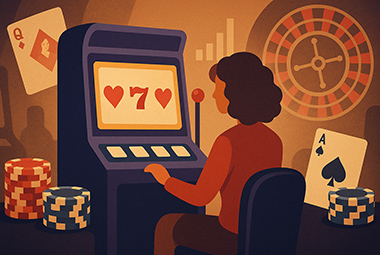
The Science Behind Player Engagement
Much of what influences decision-making in a real money casino environment is tied to sensory feedback. Studies show that sound design, in particular, triggers dopamine releases linked to anticipation and reward. A near-miss sound effect, for example, extends attention spans and increases the likelihood of continued play. Meanwhile, visual cues like celebratory animations, even for small wins, create a sense of success, helping players feel like they’re on the right track.
In digital spaces, these techniques are just as refined. A UX-driven real money casino experience will often mirror the strategies found in top land-based venues. Small wins trigger brief animations, sound effects keep sessions lively, and bonus rounds offer spikes of excitement. These mechanics contribute to sustained engagement without overwhelming the player. Online, these design choices become even more nuanced, blending UX principles with psychology to make navigation feel smooth and rewarding at every step.
A good example of this layered engagement strategy can be seen in weekly promotions like Instant Inferno, highlighted as a “Game of the Week.” Beyond just offering spins and rewards, it’s positioned to create urgency and heightened attention with double loyalty points, known as Ignition Miles. This doubles down on the psychological pull — not only does the game promise high-energy visuals and fast gameplay, but it also taps into the user’s drive to progress through loyalty systems. Promotions like these showcase how modern casinos maximize engagement through layered incentives.
Micro-Adjustments That Shape Player Behavior
One of the less-discussed elements of player psychology is how small tweaks — often imperceptible to the average person — shape decision-making. Slower reel spins build anticipation. Faster cash-out animations encourage players to go for another round. Even menu navigation speeds can influence how long a player stays on a particular game.
Color theory plays its part too. Bright reds and golds evoke energy and excitement, while cool blues help keep players calm and focused. When combined with sound cues and tailored pacing, these design elements guide players through an emotional journey that feels organic, even if it’s entirely calculated.
The Role of Rewards and Progression
Progression systems aren’t exclusive to video games. Modern casinos use them to excellent effect. Loyalty programs, achievement badges, and unlockable content create the sense of forward momentum. This mirrors the progression loops found in gaming, where small, frequent rewards encourage players to continue.
In real money casino environments, this structure is carefully layered. From welcome bonuses to milestone achievements, these incremental rewards are designed to keep players engaged over the long term. Progress provides a psychological framework that tells the brain, “Keep going — you’re getting somewhere.” This is why reward structures are central to both engagement and retention strategies in today’s casino platforms.
Psychology at Work How Casinos Refine Their Approach
Modern casino teams work closely with UX specialists and behavioral psychologists to constantly refine these elements. It’s not just about keeping a player entertained; it’s about crafting an environment where the player’s choices feel natural yet are subtly guided by design. Testing helps optimize these strategies over time.
Adjustments to animation timing, reward frequency, and sound feedback are typically made based on data collected from player interactions. These micro-optimizations create a smoother, more engaging experience.
Below is a simple table to illustrate how small tweaks influence key psychological triggers in modern game design:
| Design Element | Player Response | Psychological Trigger |
|---|---|---|
| Faster animations | Encourages faster replays | Momentum effect |
| Near-miss sounds | Increases session length | Dopamine release |
| Loyalty rewards | Encourages repeat sessions | Progression motivation |
| Bright visuals | Heightens energy and excitement | Emotional stimulation |
Why This Matters
Understanding these strategies can help players become more mindful of the environments they engage with. While these design choices make the experience more enjoyable, they also underline the importance of balance. Having fun should always be the priority, and recognizing these psychological tools can support responsible play.
For casino operators and developers, these insights continue to shape the future of gaming. As technology advances, expect even more sophisticated uses of behavioral psychology to refine the player experience further — always with the goal of creating seamless, satisfying engagement.
Applying These Insights Beyond the Casino
Understanding how subtle design elements influence player behavior is not just useful for those interested in casino environments. These same principles apply across many industries where engagement matters. From mobile apps to e-commerce platforms, sound design, visual feedback, and reward structures shape how users interact with digital products.
Comments
No comments for this articleRelated Articles:
-

5 Tried and Trusted Online Casinos For US Players
Jun 28, 2024 -
Why Players Are Drawn to New Casinos
Sep 08, 2025 -
Adavntage Players Care More
Jun 27, 2015